Publications
2026
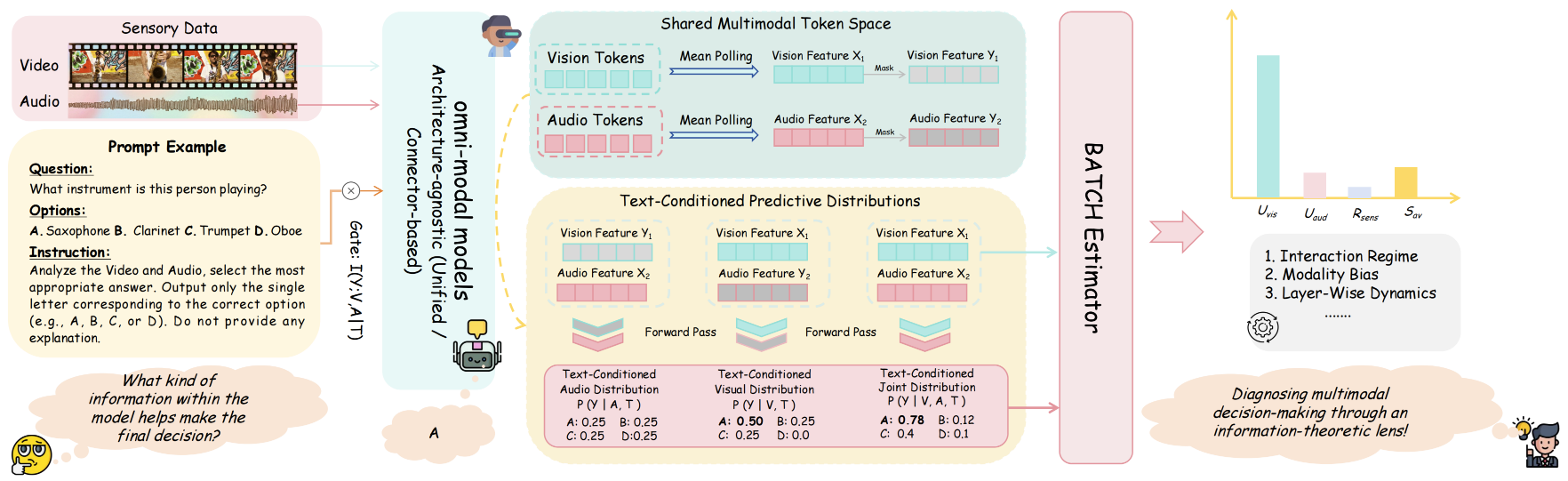
Towards Understanding Modality Interaction in Multimodal Language Models via Partial Information Decomposition
Forty-Third International Conference on Machine Learning (ICML 2026)
·
2026
Understanding modality interaction in multimodal large language models (MLLMs) is central to reliable deployment. We introduce Partial Information Decomposition (PID) as a decision-level framework that separates unique, redundant, and synergistic contributions of sensory and linguistic inputs, beyond representation alignment and outcome-based evaluation.
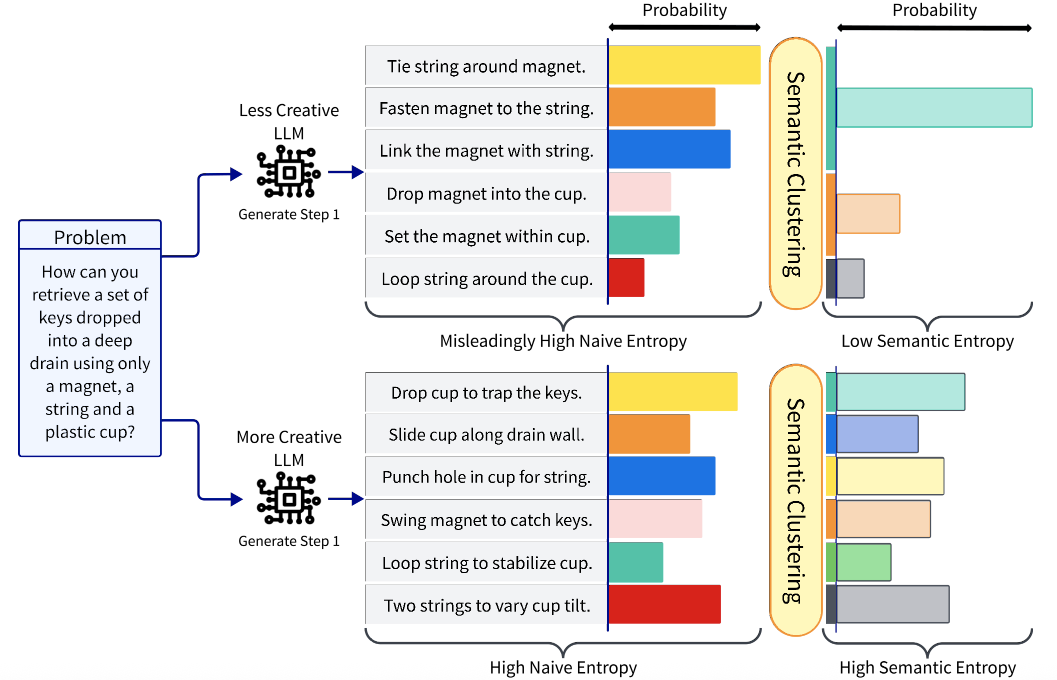
Automated Creativity Evaluation of Language Models Across Open-Ended Tasks
The 64th Annual Meeting of the Association for Computational Linguistics (ACL 2026)
·
2026
Large language models (LLMs) have achieved remarkable progress in language understanding, reasoning, and generation, sparking growing interest in their creative potential. Realizing this potential requires systematic and scalable methods for evaluating creativity across diverse tasks.
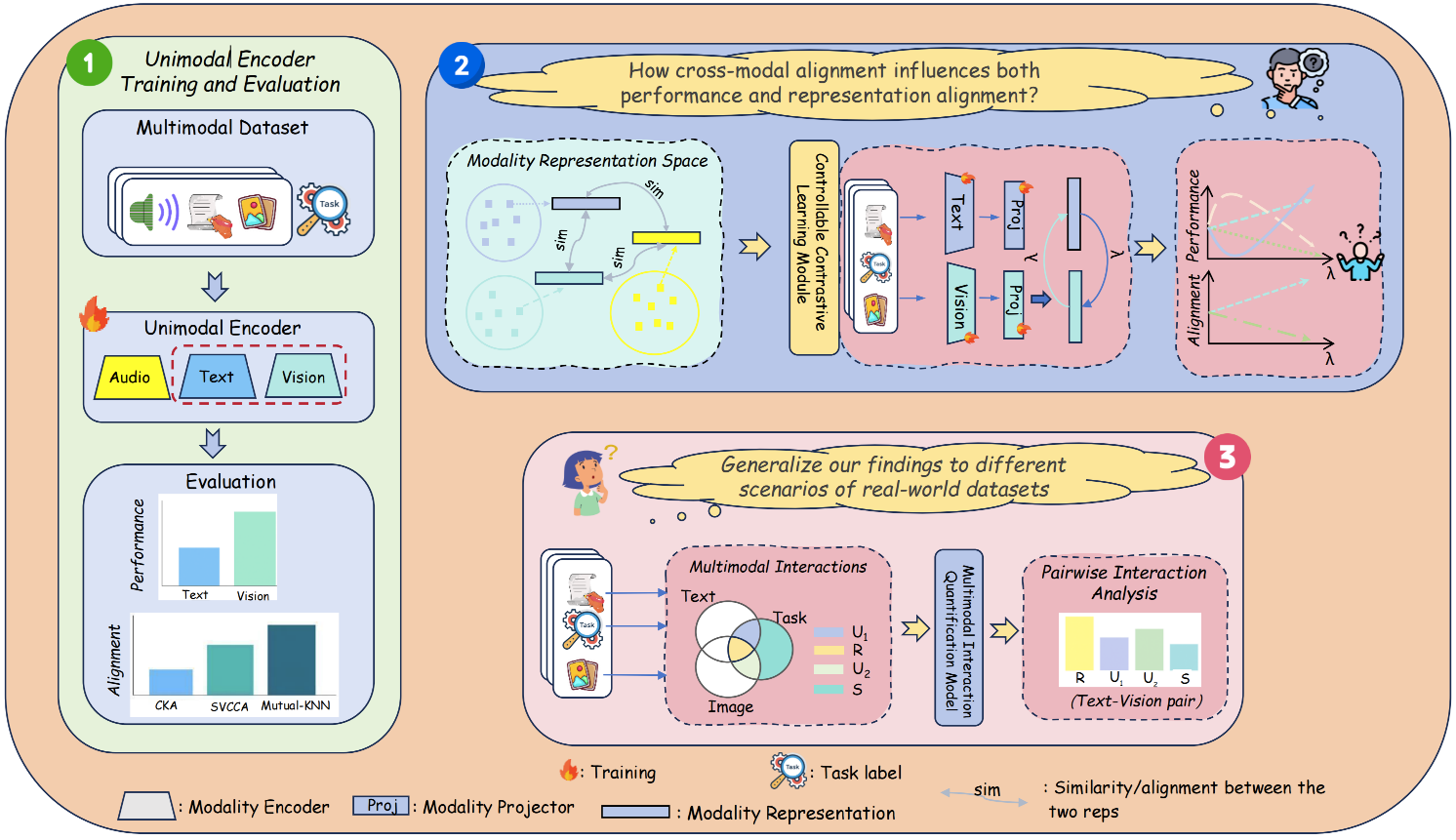
To Align or Not to Align: Strategic Multimodal Representation Alignment for Optimal Performance
Proceedings of the AAAI Conference on Artificial Intelligence (AAAI 2026)
·
2026
Multimodal learning often relies on aligning representations across modalities to enable effective information integration - an approach traditionally assumed to be universally beneficial.
2025
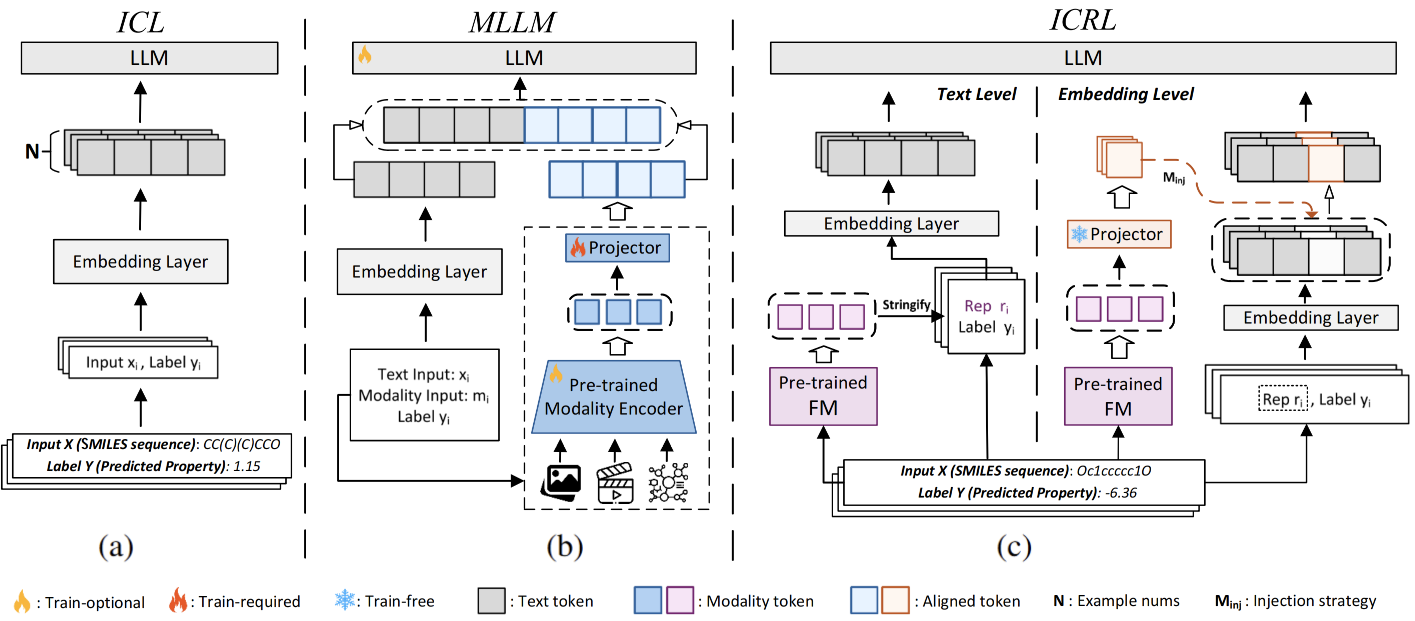
Can LLMs Reason Over Non-Text Modalities in a Training-Free Manner? A Case Study with In-Context Representation Learning
The Thirty-Ninth Annual Conference on Neural Information Processing Systems (NeurIPS 2025)
·
2025
The remarkable performance of Large Language Models (LLMs) can be enhanced with test-time computation, which relies on external tools and even other deep learning models. However, existing approaches for integrating non-text modality representations into LLMs typically require additional costly supervised training, restricting on-the-fly adaptation to new domains and modalities.
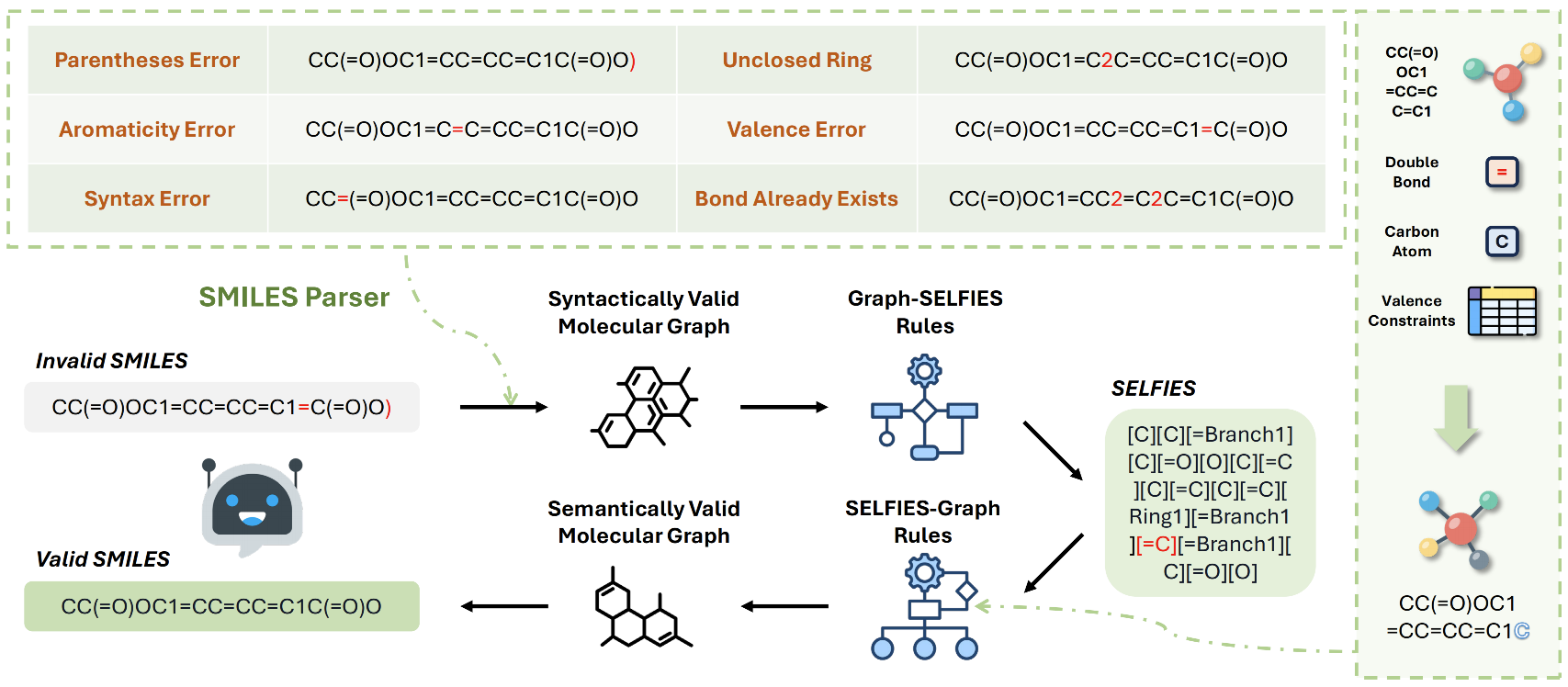
How to Make Large Language Models Generate 100% Valid Molecules?
Proceedings of the 2025 Conference on Empirical Methods in Natural Language Processing (EMNLP 2025)
·
2025
Molecule generation is key to drug discovery and materials science, enabling the design of novel compounds with specific properties. Large language models (LLMs) can learn to perform a wide range of tasks from just a few examples. However, generating valid molecules using representations like SMILES is challenging for LLMs in few-shot settings. In this work, we explore how LLMs can generate 100% valid molecules.
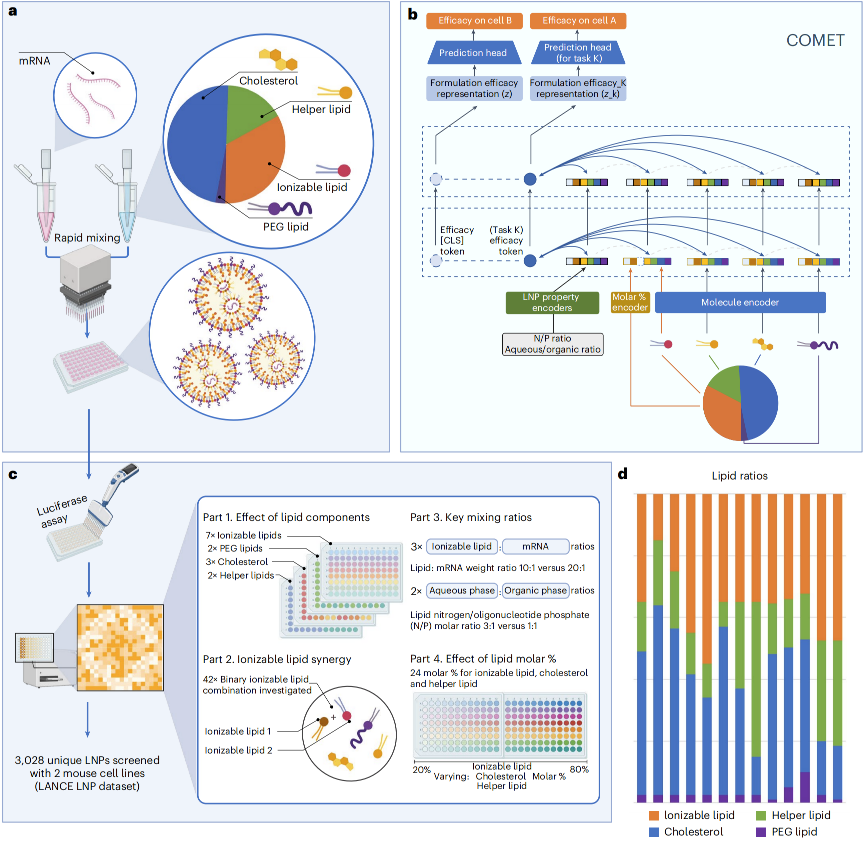
Designing lipid nanoparticles using a transformer-based neural network
Nature Nanotechnology
·
2025
The RNA medicine revolution has been spurred by lipid nanoparticles (LNPs). The effectiveness of an LNP is determined by its lipid components and their ratios; however, experimental optimization is laborious and does not explore the full design space.