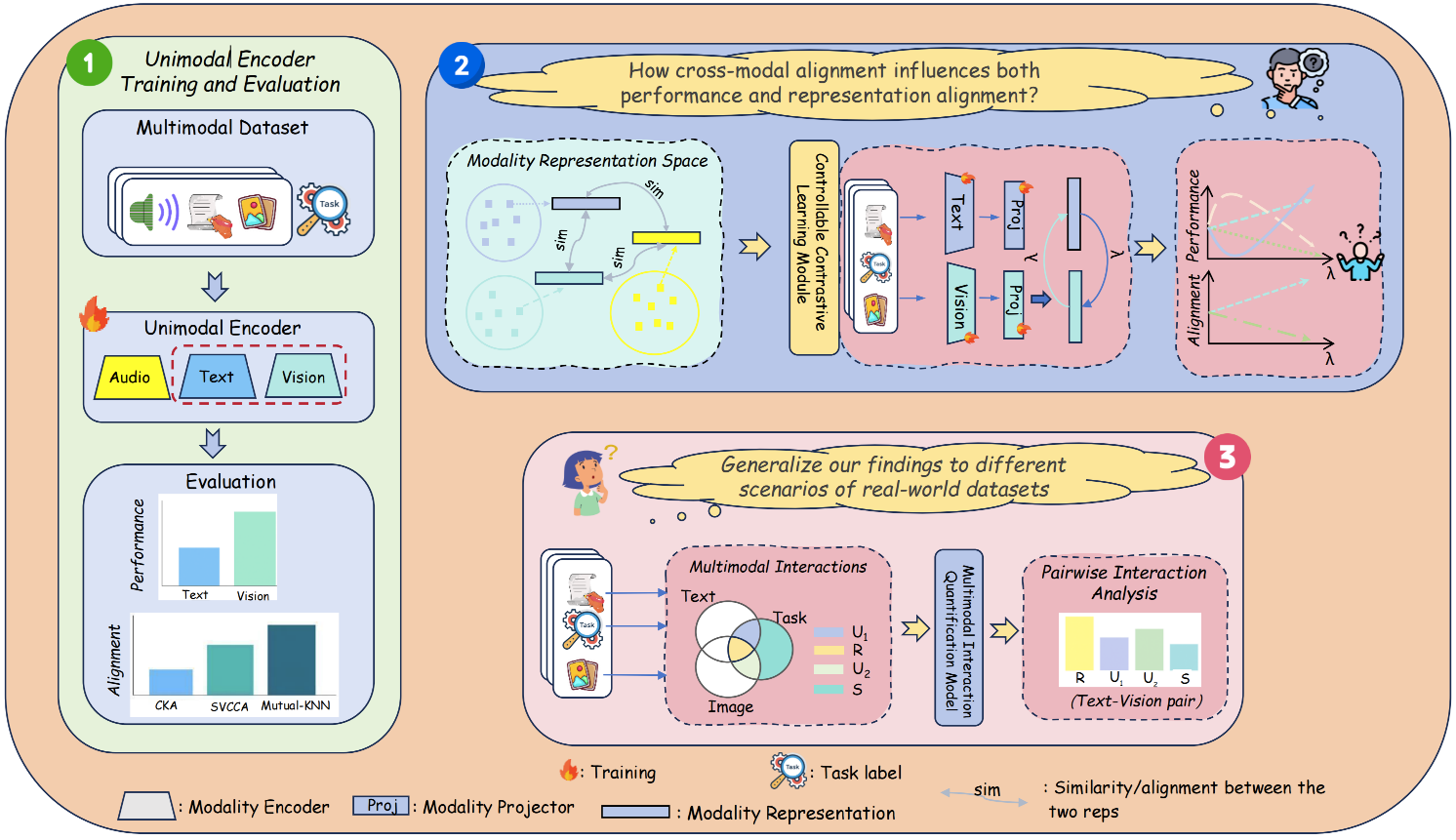
Research
Our research connects machine learning with biomedical science. We build computational methods and experimental workflows that learn from multiple scientific modalities, propose better therapeutic designs, and reveal how complex AI systems use information.
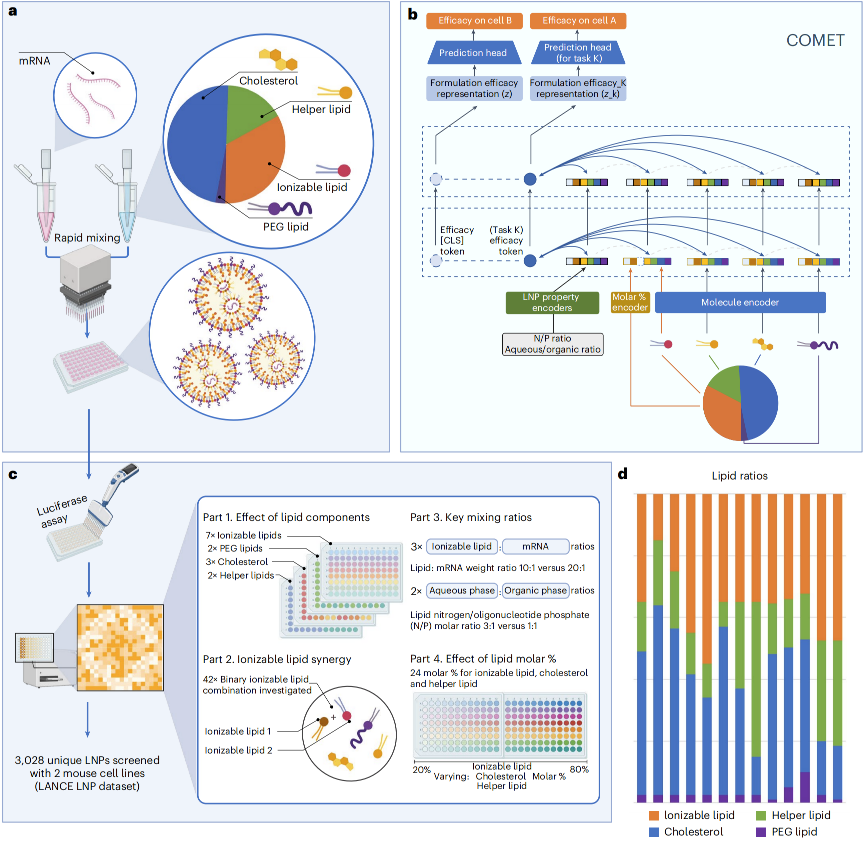
AI for nanomedicine and RNA therapeutics
We integrate molecular structures, formulation composition, biological assays, and high-throughput data to design therapeutic systems. Current work includes lipid nanoparticles and RNA delivery, where the design space is too large for experimental screening alone.
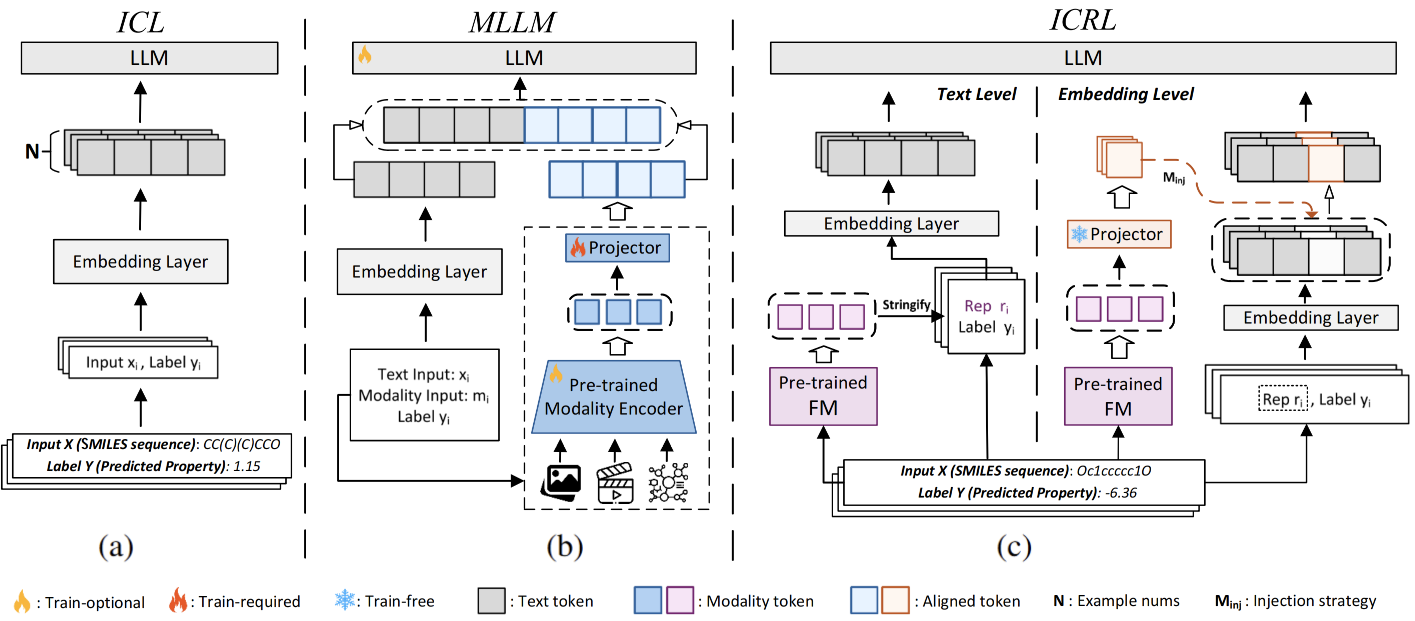
Multimodal and generative AI for science
We study how language models can reason with representations from vision, chemistry, and other scientific foundation models. Our work explores training-free adaptation, representation alignment, and generalization across modalities.
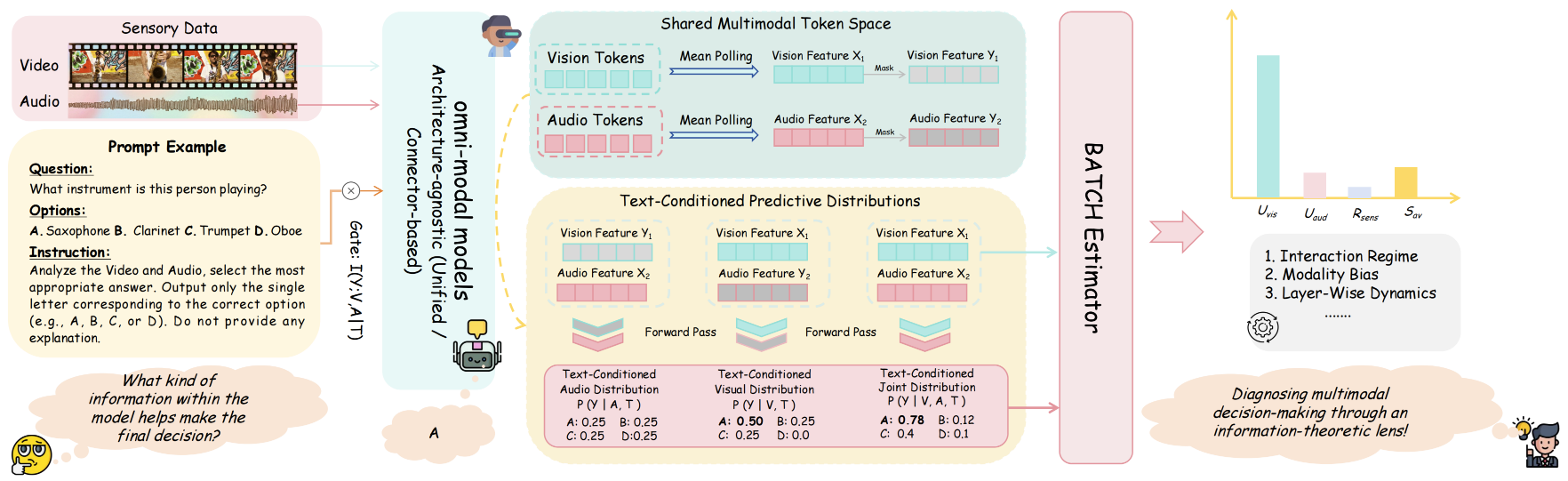
Reliable and interpretable multimodal systems
We develop methods that separate unique, redundant, and synergistic information in multimodal systems. These tools help explain model decisions, diagnose modality dependence, and guide targeted interventions.
Research highlights