Alvin Chan Lab AI for Therapeutic Discovery and Precision Medicine

Research

Our research connects machine learning with biomedical science. We build computational methods and experimental workflows that learn from multiple scientific modalities, propose better therapeutic designs, and reveal how complex AI systems use information.
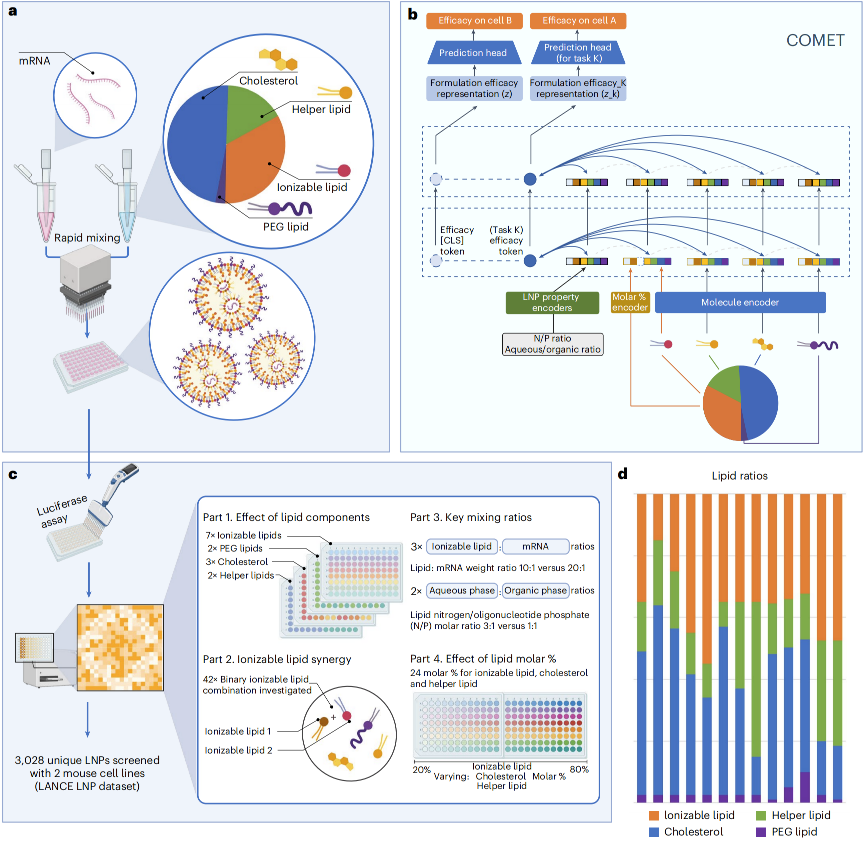
AI for nanomedicine and RNA therapeutics

AI for nanomedicine and RNA therapeutics

We integrate molecular structures, formulation composition, biological assays, and high-throughput data to design therapeutic systems. Current work includes lipid nanoparticles and RNA delivery, where the design space is too large for experimental screening alone.
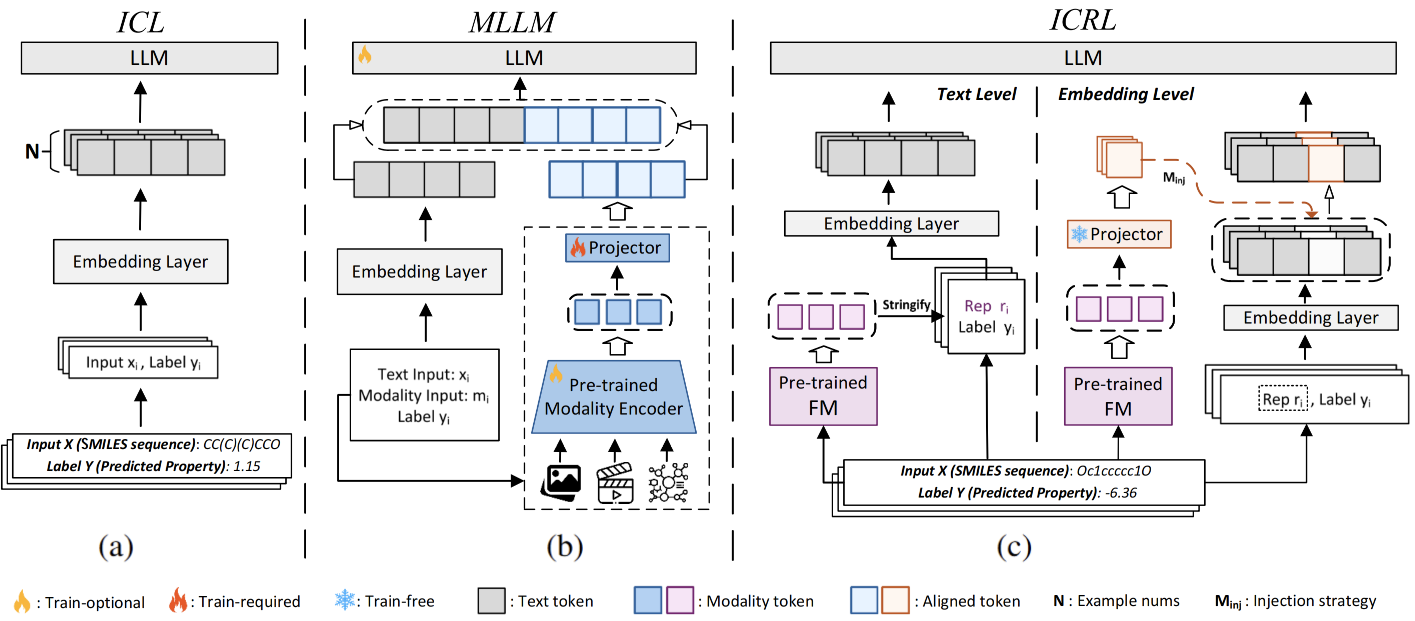
Multimodal and generative AI for science

Multimodal and generative AI for science

We study how language models can reason with representations from vision, chemistry, and other scientific foundation models. Our work explores training-free adaptation, representation alignment, and generalization across modalities.
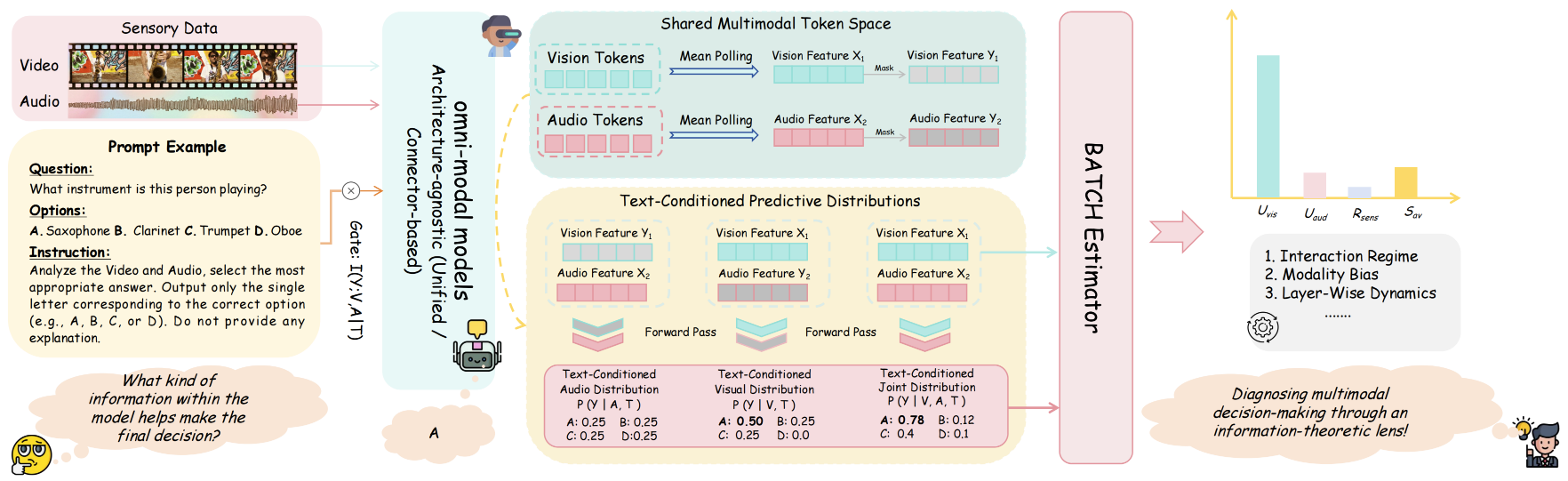
Reliable and interpretable multimodal systems

Reliable and interpretable multimodal systems

We develop methods that separate unique, redundant, and synergistic information in multimodal systems. These tools help explain model decisions, diagnose modality dependence, and guide targeted interventions.

Research highlights
Designing lipid nanoparticles using a transformer-based neural network
Alvin Chan, Ameya R. Kirtane, Qing Rui Qu, Xisha Huang, Jonathan Woo, …, Miguel Jimenez, Michelle Sun, Yuebin Huang, Ceara Byrne, Giovanni Traverso
Nature Nanotechnology  ·  2025
The RNA medicine revolution has been spurred by lipid nanoparticles (LNPs). The effectiveness of an LNP is determined by its lipid components and their ratios; however, experimental optimization is laborious and does not explore the full design space.
Can LLMs Reason Over Non-Text Modalities in a Training-Free Manner A Case Study with In-Context Representation Learning
Can LLMs Reason Over Non-Text Modalities in a Training-Free Manner? A Case Study with In-Context Representation Learning
Tianle Zhang, Wanlong Fang, Jonathan Woo, Paridhi Latawa, Deepak Subramanian, Alvin Chan
The Thirty-Ninth Annual Conference on Neural Information Processing Systems (NeurIPS 2025)  ·  2025
The remarkable performance of Large Language Models (LLMs) can be enhanced with test-time computation, which relies on external tools and even other deep learning models. However, existing approaches for integrating non-text modality representations into LLMs typically require additional costly supervised training, restricting on-the-fly adaptation to new domains and modalities.
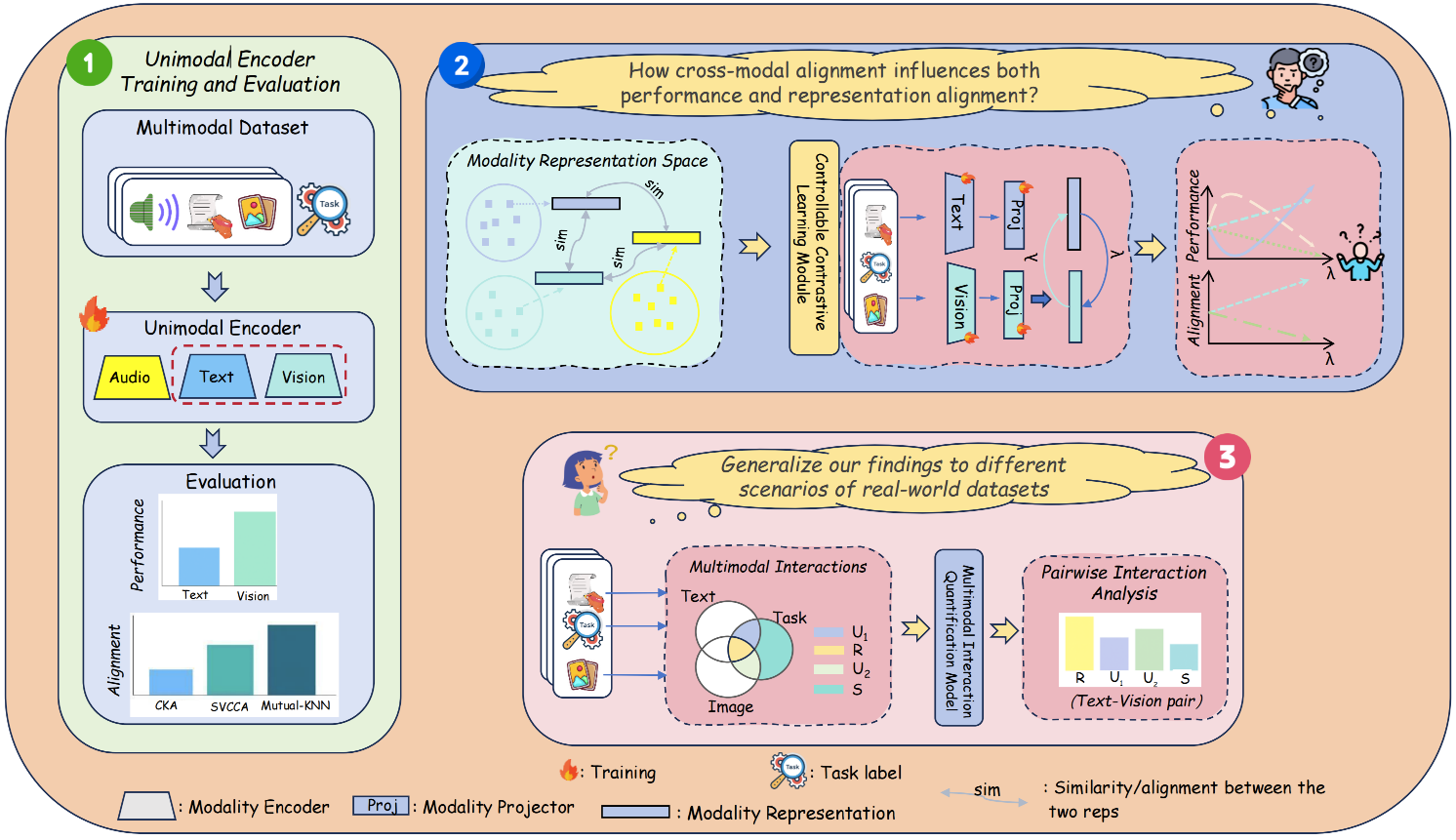
To Align or Not to Align: Strategic Multimodal Representation Alignment for Optimal Performance
Wanlong Fang, Tianle Zhang, Alvin Chan
Proceedings of the AAAI Conference on Artificial Intelligence (AAAI 2026)  ·  2026
Multimodal learning often relies on aligning representations across modalities to enable effective information integration - an approach traditionally assumed to be universally beneficial.